
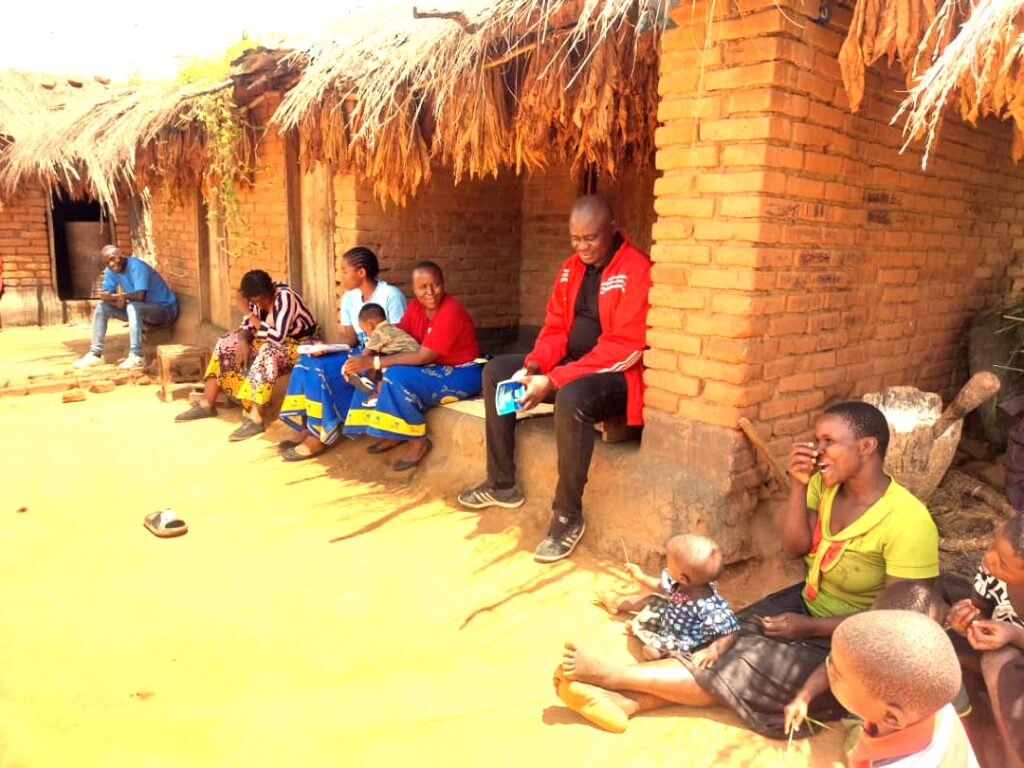
Lusubilo Community Care, through its Monitoring, Evaluation, Accountability and Learning (MEAL) team, in collaboration with the Agriculture and Nutrition Integration (ANI) Project Officer, conducted a three-day field monitoring exercise in Traditional Authority Mwaulambya in Chitipa District.
The activity focused on assessing data flow systems and tracking nutrition-related commodities under the ANI–Supplementary Feeding Programme (SFP).
During the monitoring process, the team reviewed how data is generated and transmitted from the community level to the Lusubilo office, with particular attention to key data quality dimensions such as consistency, accuracy, timeliness, completeness, and reliability. The process aimed at strengthening data management systems to support informed decision-making within the project.
As part of the fieldwork, the team engaged with selected households participating in the Supplementary Feeding Programme (SFP), gaining insights into the progress of children receiving support for moderate acute malnutrition. These interactions provided a clearer understanding of the intervention’s impact at the household level.
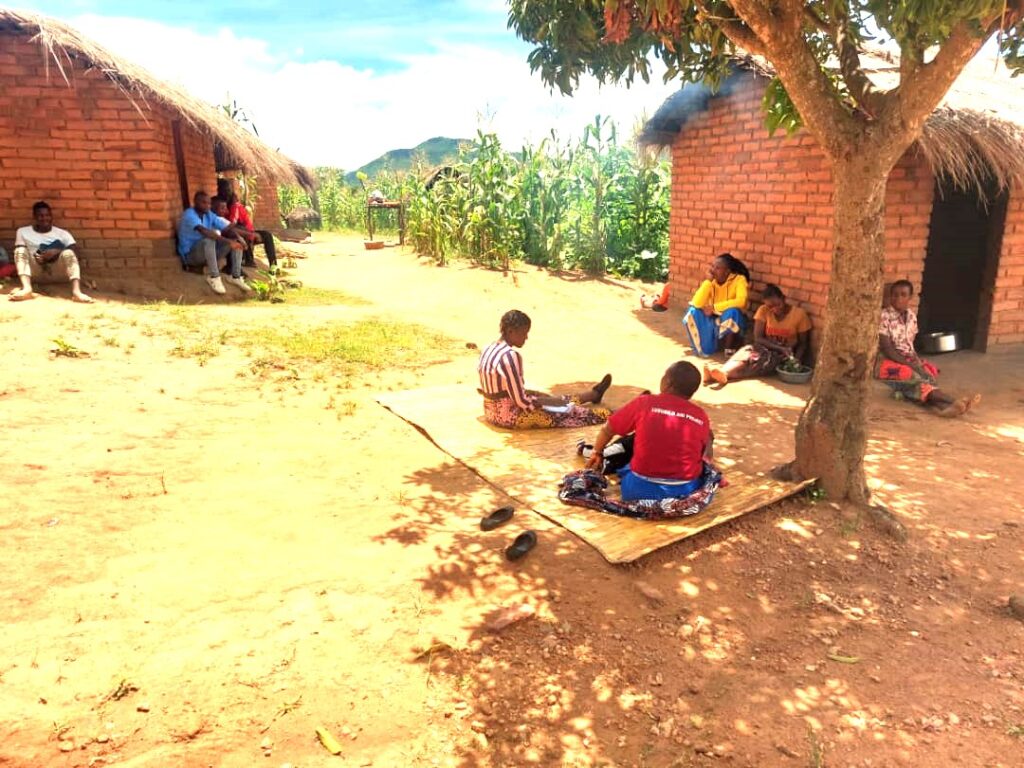

The team engaging with household beneficiaries during the exercise
The project is currently working with seven community-based organizations (CBOs) in the District, of which four with active beneficiaries were visited during the monitoring activity. Across these CBOs, the project is supporting 12 children under the age of five and one pregnant woman in the current financial year.
The exercise also involved key community structures, including Health Surveillance Assistants (HSAs), community-based organization representatives, promoters, and cluster leaders. Their participation underscored the importance of coordinated efforts in delivering nutrition services and ensuring accountability at the community level.
The ANI project, implemented by Lusubilo Community Care with support from the Mathile Family Foundation, aims to improve the nutritional well-being of vulnerable populations in Chitipa District. Through continuous monitoring and community engagement, the project is strengthening systems and contributing to improved health outcomes for children and families.