
As part of ongoing efforts to improve household food security, Lusubilo Community Care, through its Agriculture and Nutrition Integration (ANI) Project, has successfully trained eight Lead Farmers in irrigation basics, post-harvest handling, and farm budgeting in Traditional Authority Mwaulambya, Chitipa.
The training, which was facilitated by Agricultural Extension Development Officers (AEDOs), aimed to equip the Lead Farmers with practical knowledge and skills to support fellow farmers in adopting improved agricultural practices. As key resource persons at community level, Lead Farmers play a critical role in guiding and mentoring project participants on effective crop management, proper storage techniques, and sound financial planning related to farming activities.
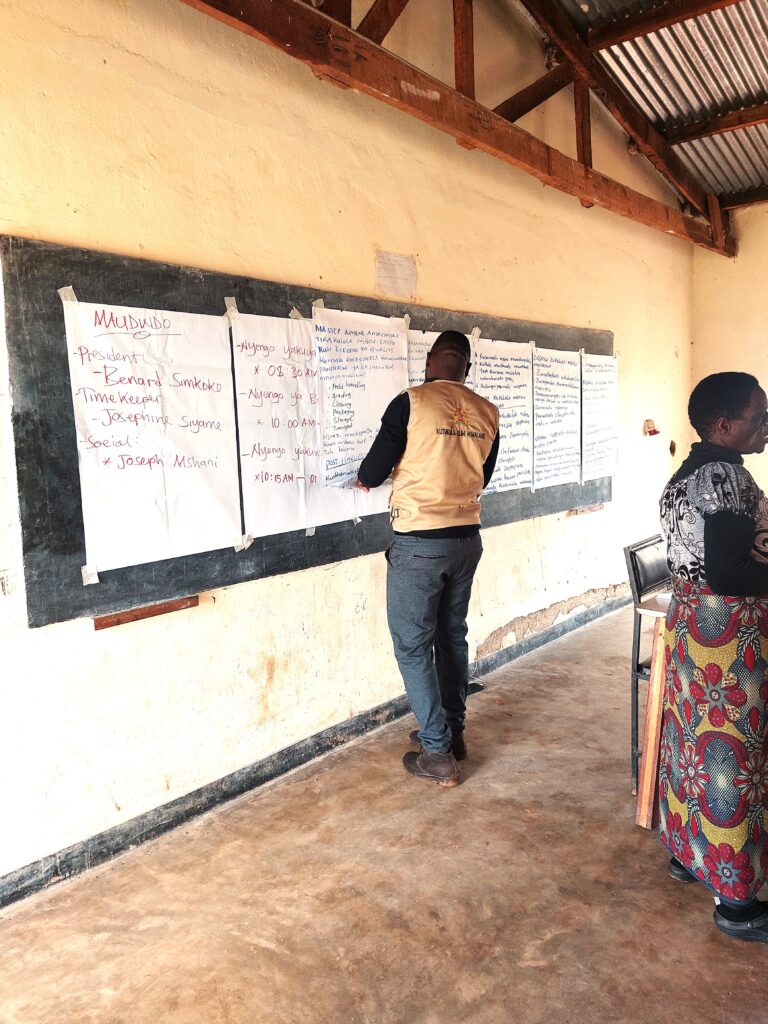
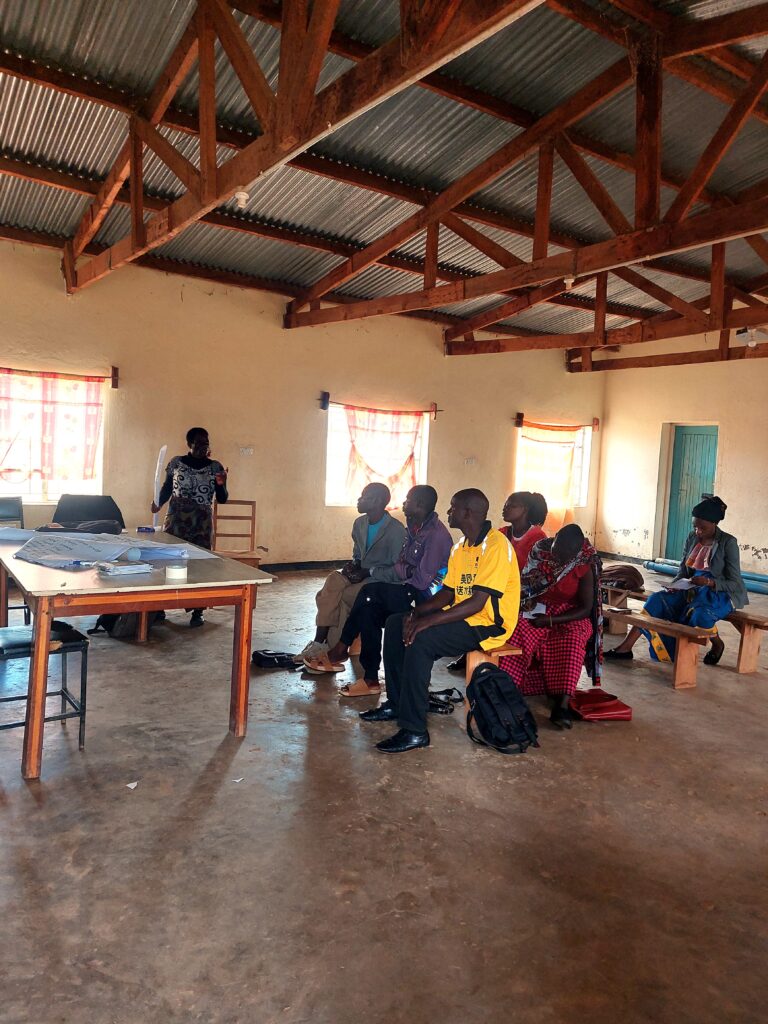

AEDOs facilitating the training
With the winter farming season approaching, the training comes at a strategic time as project participants prepare to maximize production through irrigation farming. By strengthening their understanding of irrigation principles, the Lead Farmers are now better positioned to help households utilize available resources efficiently and ensure consistent food production during the dry season.
The trained Lead Farmers were drawn from Namatubi, Kasinde, Ilema, Chambo, and Ngoya Community-Based Organizations (CBOs), where the Project is supporting vulnerable households. They are expected to take a leading role in sharing knowledge within their communities, enabling more households to benefit from improved farming practices and increased yields.
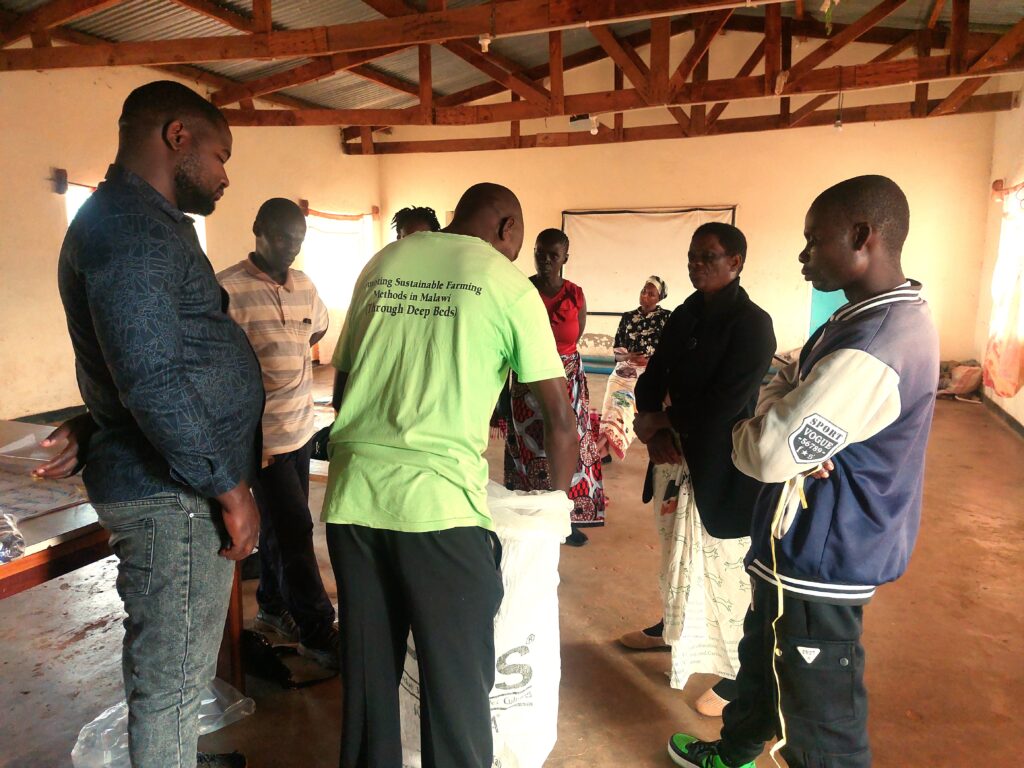
Participants during practical session
This initiative is part of Lusubilo Community Care’s broader commitment to building resilience among vulnerable populations by promoting sustainable agriculture, improved nutrition, and stronger livelihoods. Through such capacity-building efforts, the project is not only preparing communities for the upcoming winter season but also laying a solid foundation for long-term food security and self-reliance.
Lusubilo is implementing ANI Project with financial support from the Mathile Family Foundation.